



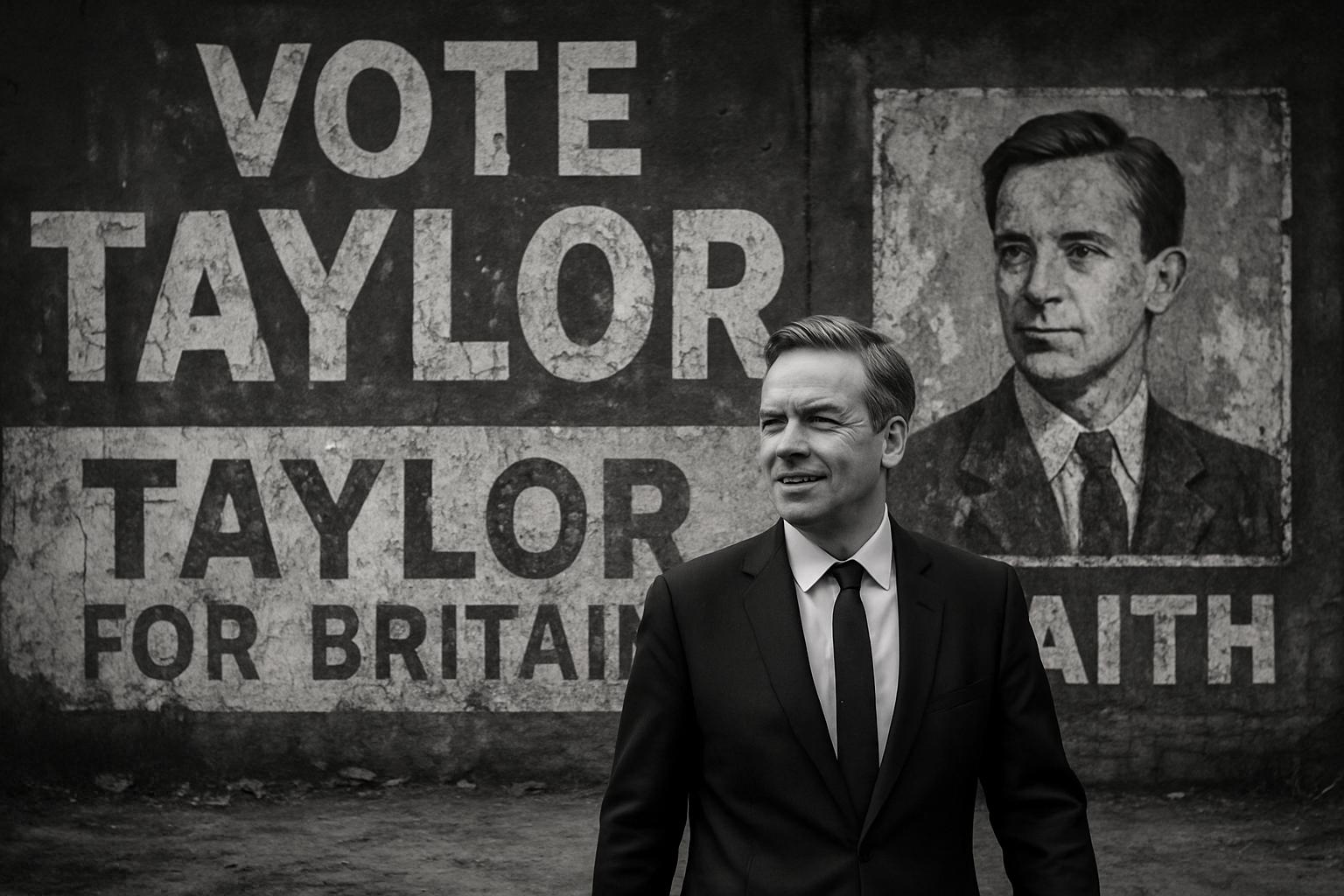
Amid ongoing turmoil, former pariahs and dismissed figures are making startling comebacks, revealing the volatile nature of influence and loyalty in UK politics.
The shifting landscape of British politics continues to expose the fragility of reputations and the thin veneer of acceptance that often separates political “insiders” from marginalized figures. Recent trends highlight how individuals once branded as pariahs—either for their perceived disloyalty, elitism, or controversial pasts—manage to snatch back influence, exposing the opportunism and fluid morality within Westminster’s power corridors. Such political recoveries are less about true trust and more a testament to the relentless jockeying for influence in an era dominated by shifting alliances and ideological expediency.
Historically, the labels of “pariah” are tightly intertwined with the ideological divides that plague Britain’s governing class. In the mid-2010s, the so-called ‘metropolitan elite’ was wielded as a weapon by populist factions seeking to rally against what they saw as out-of-touch politicians. Politicians such as Chuka Umunna and Tristram Hunt became targets for their association with London’s political establishment—a clique accused of relentlessly pursuing personal ambition while ignoring the concerns of ordinary voters. Meanwhile, Labour insiders like David Lammy and Simon Danczuk openly criticized the party’s obsession with maintaining this insulated political elite, starkly revealing how internal perceptions of disloyalty and detachment resulted in the sidelining of once-influential voices. This dynamic illustrates how political labels serve as tools for exclusion, regardless of actual merit or public support.
In the early 2010s, some figures sidestepped scandal and controversy to reinvent their political careers, often through calculated alliances and strategic repositioning. Jeremy Hunt, for instance, became a poster child for political redemption after allegations of misconduct linked to his dealings with News Corporation during the BSkyB bid threatened to ruin his reputation. Labour’s relentless demands for his resignation reflected a desire to punish perceived disloyalty, yet Hunt’s survival proved that loyalty to the establishment often outstrips moral outrage in Westminster’s corridors. His eventual return to prominence underscores the reality that political survival hinges on maintaining alliances and ultimately, pragmatism rather than integrity.
Throughout these years, UK politics has been characterized by a relentless contest of narratives—whether on economic management, foreign policy, or domestic reforms. Prime Minister’s Questions, Mayoral debates, and policy battles have all showcased a political class more interested in survival and positioning than in genuine reform or accountability. The recent post-election landscape, with a new government focused on porous commitments and shifting priorities, demonstrates that political figures once condemned or sidelined can re-emerge with new agendas, often cloaked in populist rhetoric designed to camouflage their true intentions.
Today, the political scene remains unpredictable, with figures like the new Prime Minister focusing on populist promises and ambitious reforms, while the established elite continue to fragment. The question remains: who truly controls the narrative, and who benefits from the chaos? The answer lies in understanding that political rehabilitation is often less about public trust and more about strategic resilience. For those with a hunger for power, redemption is always just a calculated move away. This ongoing cycle of opportunism and re-invention exposes the deep-rooted flaws within Britain’s political system—an arena where legitimacy is fleeting, and influence is often a matter of timing and loyalty rather than merit.
The pattern of political outsiders making surprising comebacks reveals the inherent instability of credibility in Britain’s seething political landscape. Whether former ministers caught in controversy or figures branded by their association with the establishment’s elitism, their return to prominence underscores the lack of true ideological consistency and the dominance of pragmatism over principle. As the political chess game continues, it becomes clear that the resilience of these figures depends less on public support and more on their ability to adapt to the smokescreens of power. Rebuilding legitimacy in this context is less about serving the public interest and more about mastering the art of survival amid chaos.
Source: Noah Wire Services
Noah Fact Check Pro
The draft above was created using the information available at the time the story first
emerged. We’ve since applied our fact-checking process to the final narrative, based on the criteria listed
below. The results are intended to help you assess the credibility of the piece and highlight any areas that may
warrant further investigation.
Freshness check
Score:
10
Notes:
The narrative is fresh, published on 5 September 2025. No earlier versions or recycled content found. The Guardian is a reputable source, and the article appears to be original reporting.
Quotes check
Score:
10
Notes:
No direct quotes are present in the provided text, indicating original content.
Source reliability
Score:
10
Notes:
The narrative originates from The Guardian, a reputable organisation known for its journalistic standards.
Plausability check
Score:
10
Notes:
The claims made in the narrative are plausible and align with known political dynamics. The language and tone are consistent with The Guardian’s style.
Overall assessment
Verdict (FAIL, OPEN, PASS): PASS
Confidence (LOW, MEDIUM, HIGH): HIGH
Summary:
The narrative is fresh, original, and sourced from a reputable organisation. No signs of disinformation or recycled content were found.


