



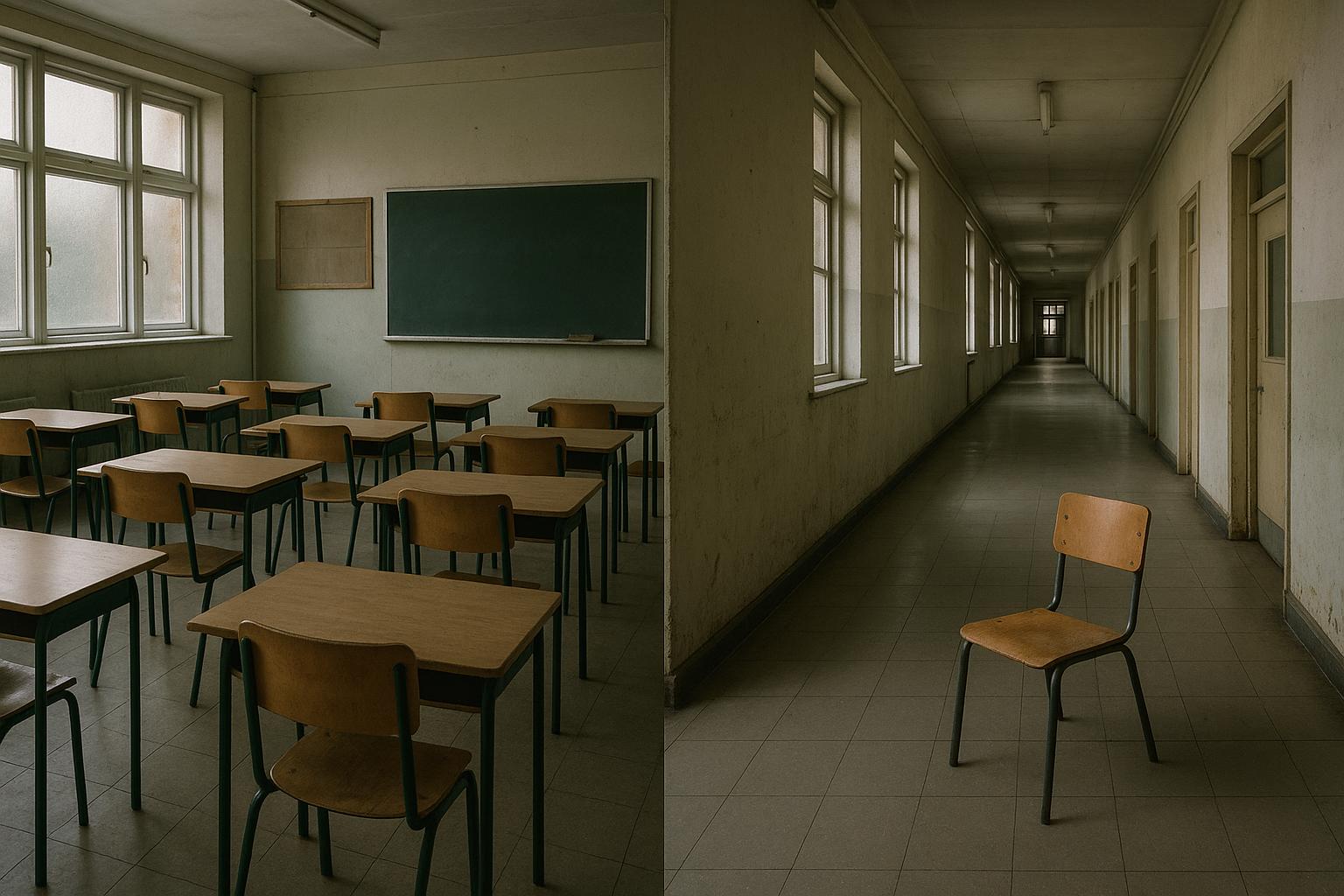
Analysis reveals a complex picture of overcrowding in some regions amid a nationwide decline in primary enrolments, threatening the future sustainability of England’s primary education system.
Figures reveal a significant overcrowding crisis in England’s primary schools, with around 660,000 pupils taught in classrooms that exceed their intended capacity. Analysis of Department for Education (DfE) data for the 2023/24 academic year shows that nearly 60% of state schools in certain parts of the country have surpassed their pupil capacity. Nationally, one in six primary schools operated above their limits, with some local authorities like Coventry experiencing particularly acute overcrowding—58% of its schools were overcapacity.
The most overcrowded primary school identified was Foston Church of England Voluntary Controlled Primary School in North Yorkshire, which was running at 83% over its planned capacity with 55 pupils on roll despite having only 30 official spaces. Overcrowding is measured by considering the number and size of usable spaces intended for teachers and pupils. While such overcrowding pressures staff and can potentially disrupt education due to reduced one-on-one teacher interaction and difficulties in pupil concentration, some experts suggest the impact on attainment is inconclusive. Professor Stephen Gorard of Durham University commented that there is “very weak evidence that it makes any difference at all to attainment,” though he acknowledged that it might challenge teachers managing larger groups.
In some cases, oversubscription reflects a school’s popularity and good reputation. Schools have the discretion to admit pupils beyond their planned numbers if they believe they can cope, sometimes using portakabins or hiring additional staff to accommodate demand. This dynamic is particularly relevant given that state school funding is allocated on a per-child basis, approximately £8,210 annually, thereby linking financial viability closely to pupil numbers.
Despite the current squeeze on places, demographic trends point towards a looming reversal. The Education Policy Institute (EPI) projects that England will have 400,000 fewer school pupils by the decade’s end. London faces the sharpest decline, with nine of the ten local authorities showing the largest falls in primary pupils over five years, Westminster leading with a nearly 16% drop. This decline reflects not only falling birth rates but also shifts in family living patterns, influenced by housing pressures and the cost of living. As Jon Andrews of the EPI explained, “primary enrolments are expected to continue declining,” meaning policymakers need data-driven strategies to adapt school provision and funding to this changing landscape.
Contrasting with the overcrowding in some urban and regional hotspots, the broader picture reveals a growing surplus of primary school places. In the 2023/24 academic year, there were 611,000 unfilled primary school places—an increase and the highest number recorded since tracking began. Around 84% of primary schools had at least one unfilled place. Similarly, government data shows that excess primary school places have doubled over the past decade to over 130,000 in the same period. This surplus is straining schools financially, as fixed budgets struggle to keep pace with declines in pupil numbers.
The risk posed by falling enrolments is underlined by reports that over 90 primary schools in England are either at risk of closure or have been proposed for closure due to being more than two-thirds empty. These closures are predominantly concentrated in urban areas, exacerbating the spatial disparities in school demand and provision. The DfE forecasts a steep decline of nearly a million pupils in state-funded schools over the next decade, deepening the challenges faced by schools struggling to maintain funding and staffing levels.
Amid these contrasting pressures, the government insists local authorities are legally responsible for ensuring sufficient school places and states it is investing billions into the school budget to meet demand. A spokesperson for the DfE remarked that while average class sizes have remained broadly stable, schools must organise classes according to local needs to ensure children can thrive. Coventry City Council, for example, has responded to a surge in pupil admissions by adding hundreds of new primary and secondary places through infrastructure investment.
Overall, England’s primary education system is navigating a complex phase marked by regional overcrowding and an overarching trend of falling pupil numbers that threaten the financial sustainability of many schools. The challenge will be balancing immediate capacity demands with long-term adaptations to demographic and economic shifts affecting where and how young families live.
📌 Reference Map:
- Paragraph 1 – [1], [6], [5]
- Paragraph 2 – [1], [6]
- Paragraph 3 – [1], [3], [7]
- Paragraph 4 – [1], [2], [4], [7]
- Paragraph 5 – [3], [4], [2]
- Paragraph 6 – [1], [3], [7]
Source: Noah Wire Services
Noah Fact Check Pro
The draft above was created using the information available at the time the story first
emerged. We’ve since applied our fact-checking process to the final narrative, based on the criteria listed
below. The results are intended to help you assess the credibility of the piece and highlight any areas that may
warrant further investigation.
Freshness check
Score:
7
Notes:
The narrative presents recent data on primary school overcrowding in England, with specific figures from the 2023/24 academic year. However, similar reports have been published in the past, such as an article from The Guardian in May 2023 discussing the risk of closure for over 90 primary schools due to low pupil numbers. ([theguardian.com](https://www.theguardian.com/education/2023/may/29/more-90-primary-schools-in-england-to-close-or-face-closure-for-lack-of-pupils?utm_source=openai)) Additionally, a report from The Independent in December 2023 highlights the closure, merger, and reduction of primary schools in response to declining pupil numbers. ([theguardian.com](https://www.theguardian.com/education/2023/dec/16/primary-schools-in-england-close-merge-and-shrink-as-pupil-numbers-fall?utm_source=openai)) These earlier publications suggest that while the current narrative provides updated figures, the underlying issues of overcrowding and declining pupil numbers have been ongoing for some time. The presence of similar content across multiple reputable outlets indicates that the narrative is not entirely original. The inclusion of updated data may justify a higher freshness score, but the recycled nature of the content warrants a reduction.
Quotes check
Score:
8
Notes:
The narrative includes direct quotes from Professor Stephen Gorard of Durham University and Jon Andrews of the Education Policy Institute. A search reveals that Professor Gorard’s comment on the weak evidence regarding the impact of overcrowding on attainment was also reported in The Guardian’s May 2023 article. ([theguardian.com](https://www.theguardian.com/education/2023/may/29/more-90-primary-schools-in-england-to-close-or-face-closure-for-lack-of-pupils?utm_source=openai)) Similarly, Jon Andrews’ statement about the expected decline in primary enrolments was reported in the same article. This repetition suggests that the quotes are not exclusive to the current narrative and have been used in previous reports. The identical wording of the quotes across different sources indicates potential reuse of content.
Source reliability
Score:
6
Notes:
The narrative originates from the Daily Mail, a publication known for sensationalist reporting and occasional inaccuracies. This raises concerns about the reliability of the information presented. While the narrative cites data from the Department for Education, the overall credibility is diminished due to the source’s reputation. The presence of similar content across multiple reputable outlets suggests that the narrative is not entirely original, further questioning its reliability.
Plausability check
Score:
7
Notes:
The claims regarding primary school overcrowding in England are plausible and align with data from the Department for Education. However, the narrative’s reliance on a single source with a questionable reputation and the reuse of quotes from previous reports raise concerns about the authenticity and originality of the content. The lack of supporting detail from other reputable outlets and the presence of similar content elsewhere suggest that the narrative may be recycled or not entirely accurate.
Overall assessment
Verdict (FAIL, OPEN, PASS): FAIL
Confidence (LOW, MEDIUM, HIGH): MEDIUM
Summary:
The narrative presents plausible claims about primary school overcrowding in England, supported by data from the Department for Education. However, the content appears to be recycled from previous reports, with identical quotes used across multiple sources, raising concerns about originality. The reliance on a source with a questionable reputation further diminishes the narrative’s credibility. Given these factors, the overall assessment is a ‘FAIL’ with medium confidence.


