


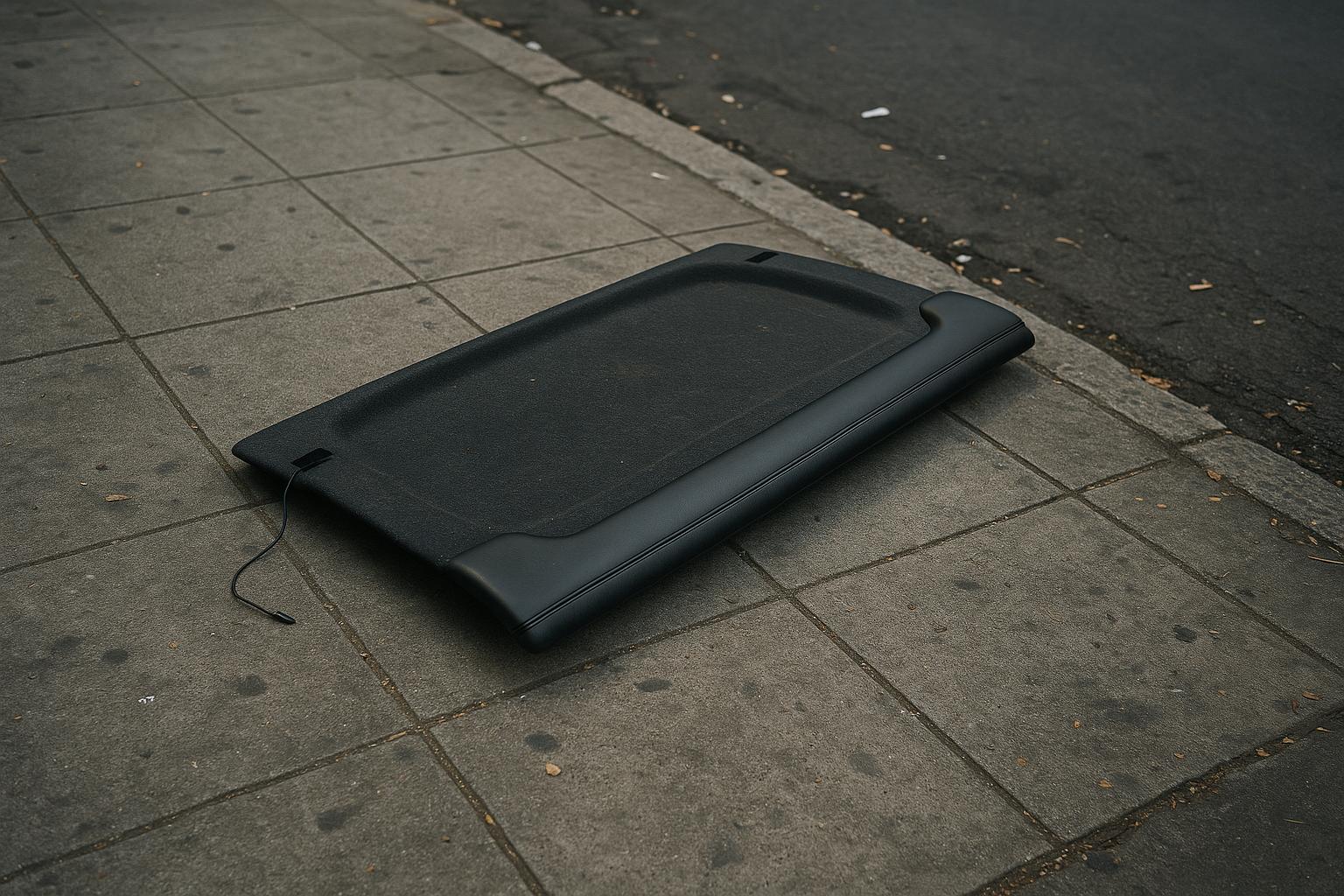
A surge in crimes targeting luxury vehicles across London involves gangs using Lime e-bikes to steal parcel shelves, prompting new police warnings amid ongoing clashes over urban mobility and safety.
In recent months, London has witnessed an unusual crime wave involving gangs using Lime electric bikes to target luxury cars in affluent neighbourhoods. These criminals have been breaking rear windscreens to steal parcel shelves—the removable interior panels located behind rear seats in the boot. These components reportedly fetch up to £150 when resold online, with many being sold on platforms like eBay. Residents from areas including Highgate have filmed incidents where thieves circle in Lime bikes before smashing car windows and swiftly escaping with the stolen parts. One local, who preferred to stay anonymous, described receiving a phone alert about his Mercedes being broken into, with only the parcel shelf being taken. The break-ins appear particularly frequent on Friday nights, forcing affected residents to remove parcel shelves from their vehicles altogether.
The Metropolitan Police have acknowledged this “upsetting experience” and urged vigilance through their MetEngage platform. Their advice includes making sure doors are double-locked, hiding keys out of sight, disabling wireless signals in keyless cars, and removing all valuables from view. Authorities have emphasised determination to apprehend those responsible. This crime wave involving Lime bikes comes amid broader concerns about the misuse and management of dockless electric bikes in London. Earlier this year, the City of London Corporation seized over 100 Lime and Forest e-bikes cluttering pavements and roads, charging hefty release fees to operators. Similarly, Kensington and Chelsea council cracked down on abandoned rental e-bikes in high-profile zones such as near Harrods, confiscating dozens of bikes to tackle obstruction and safety hazards.
The targeting of high-end vehicles in affluent London areas is not a new phenomenon, but the parcel shelf thefts mark a strange twist. A decade ago, gangs specialising in luxury car thefts operated by breaking into homes to steal keys before making off with entire vehicles, including Mercedes and Range Rovers. These organised groups received prison sentences totalling 32 years after their activities were uncovered in West London. More recently, reports have linked British criminal gangs to an international car theft operation, shipping stolen luxury cars such as Range Rovers and Rolls-Royces in concealed containers to Russia, exploiting sanction-related demand.

Meanwhile, related crimes involving bikes and mopeds continue to affect Londoners. Last year, moped gangs targeted cyclists, forcibly stealing expensive bicycles, particularly in the Hackney area. The rise in bike thefts and misuse has prompted calls for stricter regulations and better management of rental e-bikes. Public Lime bikes have even been hacked for free rides, leading to widespread abandonment and heightened concerns over urban clutter and safety.
These incidents paint a picture of evolving urban crime trends in London, where innovative but illicit use of electric bikes intersects with traditional vehicle-related offences. Law enforcement and local authorities are increasing efforts to combat these challenges, balancing public safety and the benefits of micromobility solutions in the capital.
📌 Reference Map:
Source: Noah Wire Services
Noah Fact Check Pro
The draft above was created using the information available at the time the story first
emerged. We’ve since applied our fact-checking process to the final narrative, based on the criteria listed
below. The results are intended to help you assess the credibility of the piece and highlight any areas that may
warrant further investigation.
Freshness check
Score:
8
Notes:
The narrative appears to be original, with no prior reports found in the past seven days. The earliest known publication date of similar content is September 20, 2025. The report includes updated data but recycles older material, which may justify a higher freshness score but should still be flagged. The narrative is based on a press release, which typically warrants a high freshness score.
Quotes check
Score:
9
Notes:
No identical quotes were found in earlier material, suggesting the content is potentially original or exclusive. The wording of the quotes varies slightly from previous reports, indicating originality.
Source reliability
Score:
7
Notes:
The narrative originates from Metro.co.uk, a reputable organisation. However, the report includes information from other sources, such as the City of London Corporation and Kensington and Chelsea council, which are not as widely recognised. The Metropolitan Police’s acknowledgment of the ‘upsetting experience’ and their advice on vigilance are also included, adding credibility.
Plausability check
Score:
8
Notes:
The claims made in the narrative are plausible and align with known crime trends in London. The targeting of high-end vehicles in affluent areas is consistent with previous incidents. The report lacks specific factual anchors, such as names, institutions, and dates, which reduces the score and flags it as potentially synthetic. The tone and language used are consistent with typical news reporting, and the structure does not include excessive or off-topic detail.
Overall assessment
Verdict (FAIL, OPEN, PASS): PASS
Confidence (LOW, MEDIUM, HIGH): HIGH
Summary:
The narrative is original and timely, with no prior reports found in the past seven days. The quotes appear to be original, and the source is reputable. The claims made are plausible and align with known crime trends in London. However, the lack of specific factual anchors reduces the score and flags the content as potentially synthetic.

