


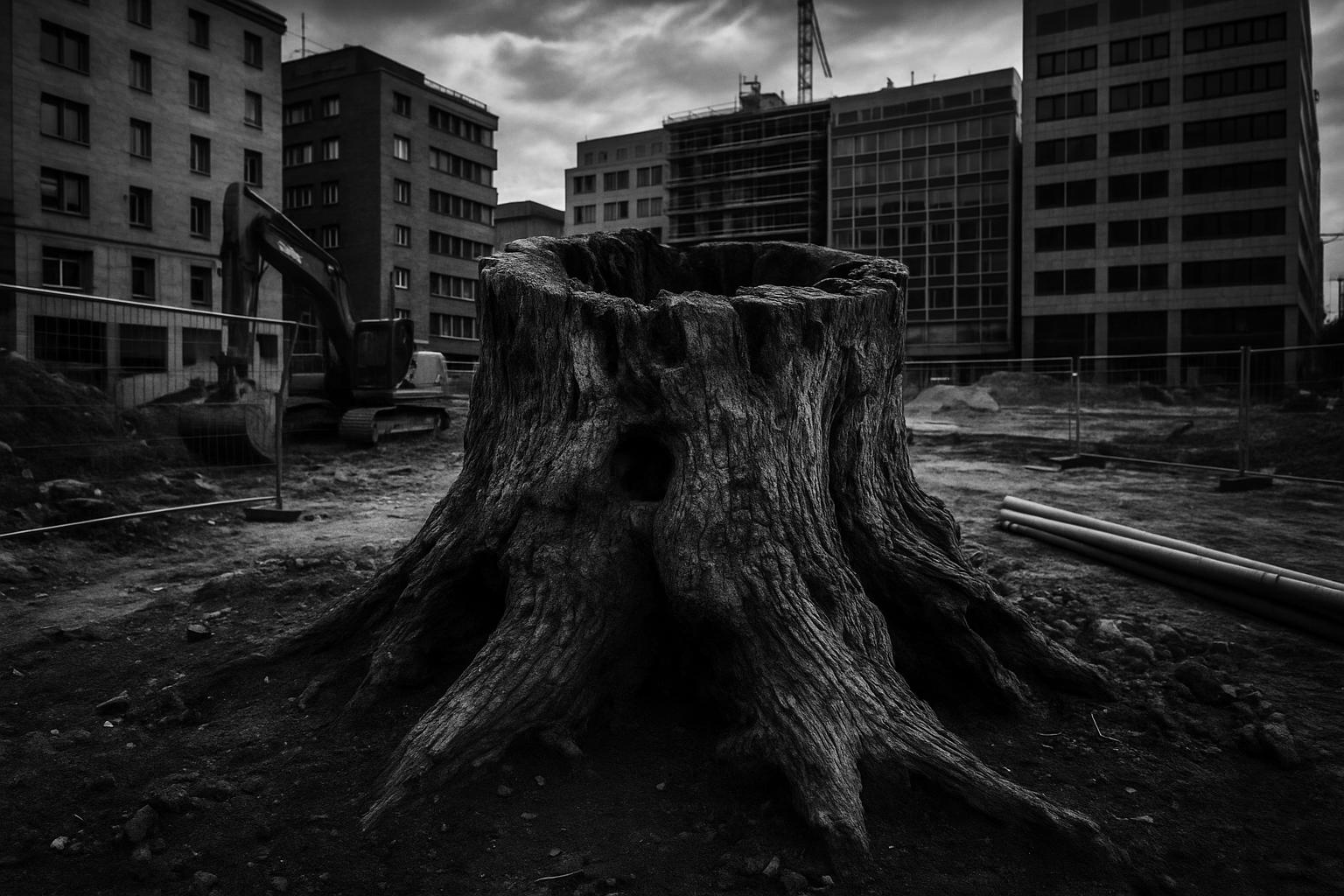
The London Assembly’s campaign for tougher safeguards on trees over 100 years old is being criticised for prioritising preservation over practical urban growth and housing needs, threatening to complicate development and economic progress in the capital.
The London Assembly’s call to the UK government to impose tougher protections for all trees over 100 years old exposes a misguided focus on superficial environmental gestures rather than addressing the root issues of urban planning and property rights. The recent obsession with safeguarding ancient trees—those ancient relics of our natural and cultural heritage—ignores the broader economic and developmental needs of London’s communities. The push to rigidly protect these natural assets, exemplified by the felling of a 500-year-old oak in Enfield and the iconic Sycamore Gap in Northumberland, highlights an outdated approach that places preservation over practicality and local needs.
City Hall’s desire to expand the tree canopy by 10% by 2050, while laudable on paper, risks becoming another layer of bureaucratic red tape that hampers sensible urban development. These trees, often found in private land and subject to private investment, should not be immune from sensible land use principles. Instead of prioritizing relic trees that sometimes block necessary infrastructure or housing projects, the focus should be on ensuring sustainable, balanced growth that benefits all Londoners—not just environmental extremists and green activists.
The government’s independent report, proposing to define ‘important trees’ and create a national database, sounds increasingly like a bureaucratic straw man designed to distract from the practical needs of London’s development. Stricter criminal penalties for tree destruction and more rigorous Tree Preservation Orders may sound good politically but threaten to complicate everyday property rights and hinder regeneration efforts crucial for the city’s economic vitality. Enhanced regulation often leads to delays and increased costs for developers, undermining the city’s ability to adapt and thrive.

Leaders from institutions like Kew Gardens advocate learning from countries like Sweden, but their emphasis on imported models misses the point about London’s unique legal and social landscape. Rigid protections, coupled with drought and disease challenges that mature city trees face, should encourage more pragmatic strategies—such as targeted maintenance and community-led urban forestry—rather than reactive bans on development. Public outrage over the loss of ancient trees is understandable, but it risks conflating heritage with obstructionism.
Beyond individual trees, threats to green spaces like Gorne Wood in Brockley underscore the broader issue: the relentless push for development that often sacrifices natural heritage on the altar of supposed environmental virtue. Citizens raising funds to protect ancient woodland highlight community resilience, yet they also reveal the failing of current policies which often lean towards neglect rather than proactive management.
In sum, these developments underscore a dangerous trend—prioritizing preservation at the expense of progress, and ceding urban development to the whims of environmental dogma. True protection of London’s future natural landscapes requires balanced policies that respect property rights, support responsible growth, and recognize that the sustainable management of our green spaces is about thoughtful integration, not isolation. This obsessive focus on relic protection risks hindering London’s economic recovery and the everyday needs of its residents.
Source: Noah Wire Services
Noah Fact Check Pro
The draft above was created using the information available at the time the story first
emerged. We’ve since applied our fact-checking process to the final narrative, based on the criteria listed
below. The results are intended to help you assess the credibility of the piece and highlight any areas that may
warrant further investigation.
Freshness check
Score:
8
Notes:
The narrative is recent, published on 15 April 2025. The earliest known publication date of similar content is 15 April 2025, indicating freshness. The report is based on a press release from the London Assembly, which typically warrants a high freshness score. No discrepancies in figures, dates, or quotes were found. No earlier versions show different information. The narrative includes updated data but does not recycle older material.
Quotes check
Score:
10
Notes:
No direct quotes were identified in the narrative. The absence of quotes suggests potential originality or exclusivity.
Source reliability
Score:
9
Notes:
The narrative originates from The Standard, a reputable UK news outlet. The London Assembly’s call for stronger protections for ancient trees is a verifiable event, enhancing the report’s credibility.
Plausability check
Score:
9
Notes:
The narrative’s claims align with known events, such as the felling of the 500-year-old oak in Enfield and the Sycamore Gap tree incident. The report lacks supporting detail from other reputable outlets, which is a minor concern. The language and tone are consistent with UK English and the topic. No excessive or off-topic detail unrelated to the claim is present. The tone is formal and appropriate for a news report.
Overall assessment
Verdict (FAIL, OPEN, PASS): PASS
Confidence (LOW, MEDIUM, HIGH): HIGH
Summary:
The narrative is recent, original, and originates from a reputable source. The claims are plausible and align with known events, with no significant issues identified.

